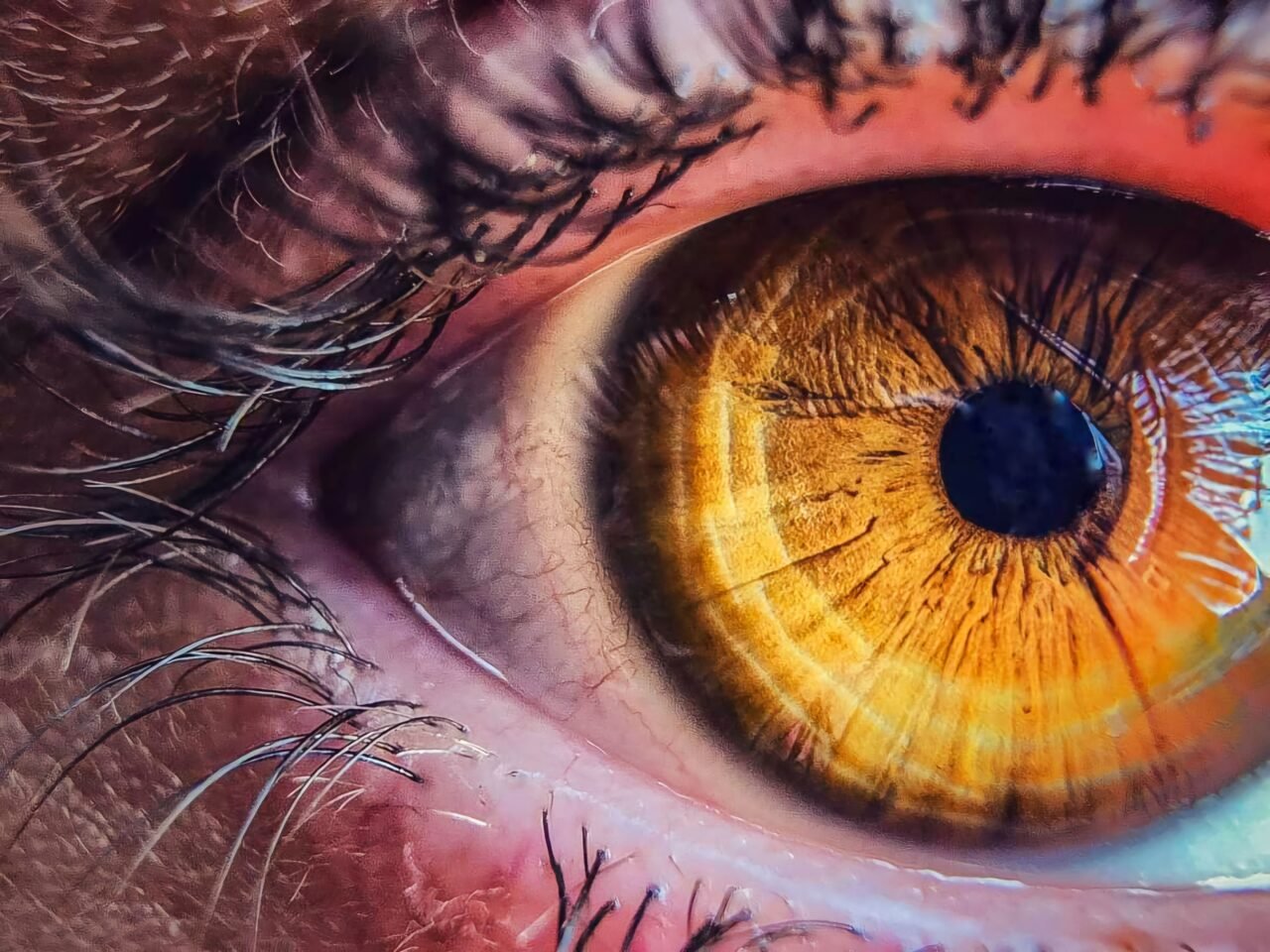
A Korean lash lift is essentially a chemical perm for your eyelashes — done inches from your eyes. Searches for it have jumped thousands of percent in the US this year, and one optometrist’s case file describes a woman who ended up with a toxic eye reaction after trying it herself at home. Here’s what’s actually in the solution, what that case really shows, and how to lower the risk if you decide to try it anyway.
This post contains affiliate links. If you make a purchase through them, we may earn a small commission — at no extra cost to you.
This article is for informational purposes only and is not medical advice. If you experience eye pain, redness, or vision changes after any lash treatment, see an eye doctor promptly.
What’s Actually Happening to Your Lashes During a Lash Lift
A lash lift works the same way a hair perm does. Your lashes get wrapped around a small silicone rod, and a chemical solution — traditionally ammonium thioglycolate, though many newer formulas use a related compound called cysteamine — breaks the disulfide bonds that give each hair its shape. Once those bonds are broken, the lash can be reshaped around the rod. A second solution, usually hydrogen peroxide at a low concentration, then reforms new disulfide bonds in that curled position, locking the lift in place.
Cysteamine is often marketed as “gentler” or more “hair-compatible” than traditional thioglycolate because it’s derived from an amino acid that’s already part of keratin. But both work through the same basic chemical reaction — breaking and reforming bonds in the hair shaft — so the underlying process isn’t fundamentally different. As far as public reporting on the technique goes, “Korean lash lift” isn’t described as a separately regulated chemical category; it mostly refers to a specific rod-placement technique and formula style, not a different or inherently safer set of ingredients.
That chemistry is the whole point of how a lash lift works — it’s also exactly why the procedure comes with real risks so close to your eyes.
The Real Risk: What Happens When It Goes Wrong
The main concern with lash lifting isn’t the concept itself — it’s what happens if the solution reaches your eye. According to optometrist Tracy Doll, writing in Review of Optometry, the hydrogen peroxide and thioglycolic acid used in lash perming are “highly ocular toxic,” and the main risk is toxic keratoconjunctivitis along with allergic reactions to the perming solution or adhesive.
Dr. Doll’s article includes a specific case: a 35-year-old woman developed a bilateral eye infection four days after using a lash perming kit at home. She’d gotten both solutions — a curling cream containing thioglycolic acid and a conditioning cream containing hydrogen peroxide — directly in her eyes during the procedure. She was later diagnosed with toxic keratoconjunctivitis and allergic contact dermatitis, and needed topical steroid treatment before her symptoms improved over about a week. One detail matters here: the kit she used was eight months past its expiration date. Given that history, Dr. Doll’s guidance to patients is direct — avoid lash lifting if possible, and if you’re going to do it anyway, have it done by a trained professional rather than yourself.
That case involved a kit well past its expiration date and direct eye contact — which points to exactly where the real risk usually comes from: how the product is stored and used, not just what’s in the bottle.
Salon vs. At-Home: Why the Same Chemistry Gets Riskier Alone
A salon lash lift typically takes about 45 minutes and is performed by someone trained to apply the solution precisely to the lash, not the skin or eye. It usually costs $75 to $200. An at-home kit costs a fraction of that — the one referenced later in this article runs $18.99 for five treatments — and lasts about the same amount of time: most lash lifts, salon or DIY, hold their curl for 4 to 6 weeks.
The bigger difference is in how the procedure has to be done. During a proper lash lift, your eyes need to stay completely closed the entire time the solution is on. That’s straightforward when someone else is doing it. It’s a lot harder to manage on your own eyes, which is exactly why most beauty professionals recommend visiting a salon instead of attempting it solo.
If you do decide to try a home kit — something like CLIONE PRIME’s Korean Lash Lift Kit is one of the more common options people reach for — the safety steps below matter more than they would in a salon chair, precisely because there’s no trained professional managing the application for you.
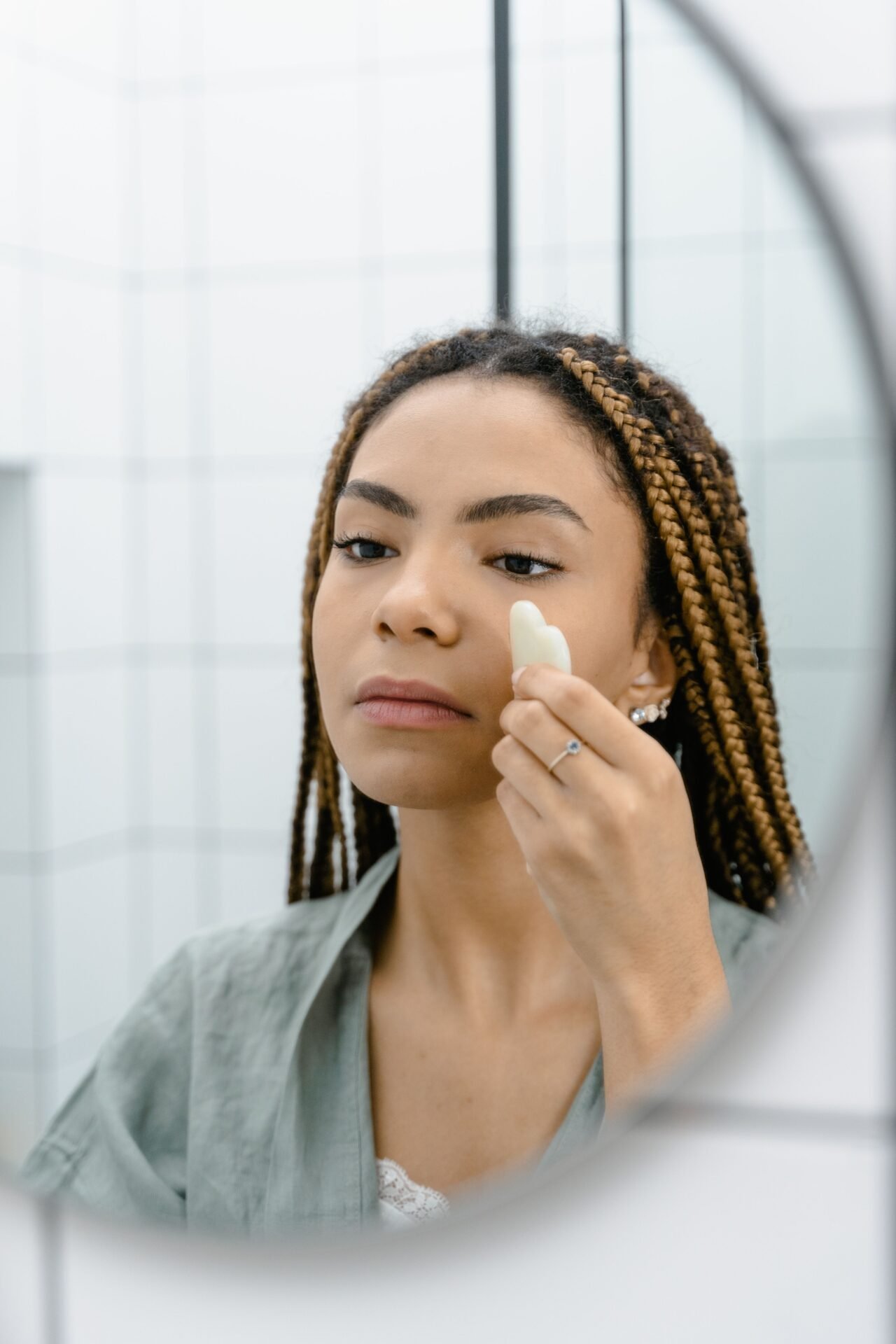
Whether you go the salon or DIY route, the same handful of precautions make the biggest difference in how it turns out.
How to Actually Lower the Risk
A few habits meaningfully lower the odds of an eye injury, based on what actually went wrong in the case above and what lash professionals generally recommend before any perming treatment.
Do a patch test 24 to 48 hours before your first full application — a small amount of the solution on your skin, checked for redness, itching, or burning before it ever goes near your eyes. Check the expiration date on the kit every single time, not just the first time you use it; the case above involved a kit used eight months after it expired. Follow the processing times printed in the instructions exactly — leaving the solution on longer than directed doesn’t give you a better curl, it just increases exposure. And keep your eyes fully closed for the entire process, since that’s the one step that’s hardest to do reliably on yourself.
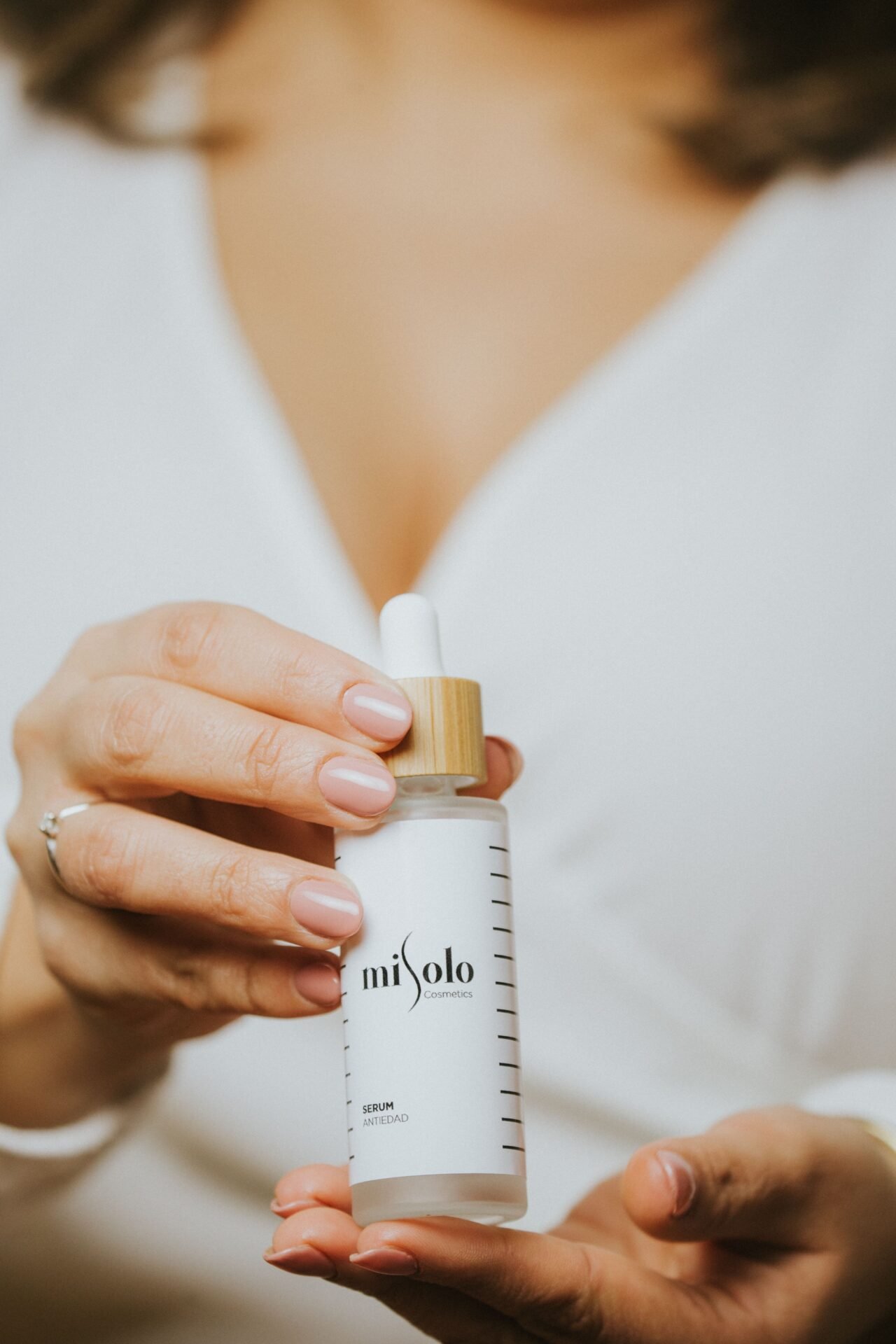
Kits like this one typically come in individually sealed, single-use packets meant for a handful of treatments — checking that the expiration date printed on the box or packet hasn’t passed before each use is one of the simplest, most overlooked precautions you can take.
If you notice burning, stinging, redness, or excessive tearing at any point, stop immediately and rinse your eyes with water. If irritation doesn’t clear up quickly, or if you notice pain, light sensitivity, or blurred vision, see an eye doctor rather than waiting it out.
The Bottom Line
A lash lift is chemically the same thing as a hair perm, just done next to your eyes instead of on your scalp. The ingredients involved are genuinely irritating to ocular tissue, but the documented case of a lash lift going wrong involved an expired kit and direct eye exposure — not just the chemistry existing in the first place. That’s a useful distinction: the biggest controllable risk factors are storage, timing, and technique, not the product category itself. Whether you go to a salon or try a kit at home, a patch test, a fresh expiration date, and keeping your eyes closed the whole time are what actually change your odds.
That viral before-and-after is real — but so is the chemistry making it happen. Knowing both is what makes the difference between a good result and a trip to the eye doctor.
Sources
- Doll, T. “Lashing Out: Dangerous Beauty Trends.” Review of Optometry
- Know the Risks of Eyebrow and Eyelash Enhancement — American Academy of Ophthalmology
- Lash Lift: How Long Does It Last? Plus, Types, Care, and More — Healthline
- Top Beauty Tool Trends in 2026 — Rising Trends
- What’s Actually in Your Lash Lift Solution? A Full Ingredient Breakdown — My Megu