
The idea that creatine wrecks your kidneys traces back to a single 1998 case report — and that patient wasn’t just taking creatine, he’d also been on a kidney-damaging drug for five years. Here’s what nearly 30 controlled studies since then have actually found. We’ll get into where this fear actually came from, what the research says about kidney safety, whether you really need to “load” creatine, how micronized powder compares to other forms, and who should genuinely be more careful.
This post contains affiliate links. If you make a purchase through them, we may earn a small commission — at no extra cost to you.
This article is for informational purposes only and is not medical advice. Talk to your doctor before starting any new supplement.
Where the “Creatine Ruins Your Kidneys” Fear Actually Came From
Most of the anxiety around creatine and kidney health traces back to a single case report published in The Lancet in 1998. A young man developed kidney dysfunction while taking creatine, and the case got cited for years afterward as proof that creatine was dangerous. What often gets left out: that patient already had focal segmental glomerulosclerosis, a pre-existing kidney condition, and had been taking cyclosporine — a drug known to be hard on the kidneys — for five years before the report. Two independent groups of researchers wrote rebuttal letters to The Lancet at the time, pointing out those confounding factors.
Most other kidney-injury case reports tied to creatine involve similar complications: extreme doses (think 25 to 200 grams a day, far beyond any normal serving), concurrent anabolic steroid use, or other health issues — not creatine on its own at standard doses.

That single case is where the fear started. But decades of controlled research since then tell a very different story.
What Decades of Controlled Research Actually Shows
A 2023 review in Nutrients pulled together roughly 18 controlled trials in healthy people and 11 more in clinical populations, spanning doses from 1 to 80 grams a day and durations from weeks to years. Its conclusion: “clinical trials with controlled designs do not support” the claim that creatine impairs kidney function. Serum creatinine sometimes ticks up slightly in these studies, but that reflects more creatine being converted to creatinine for elimination — not damage to the kidneys themselves. The markers that actually measure kidney function, like glomerular filtration rate and levels of protein in the urine, don’t show the same pattern.
The International Society of Sports Nutrition puts it plainly: “Experimental and controlled research indicates that creatine supplementation, when ingested at recommended dosages, does not result in kidney damage and/or renal dysfunction in healthy individuals.” That’s a meaningful distinction worth sitting with — the safety data is strong for healthy people, but research in people who already have kidney disease is genuinely more limited, which is a different situation covered further down.
So the safety picture for healthy people is solid. The next practical question is how to actually take it — and whether the classic “loading phase” is really necessary.
Do You Need to “Load” Creatine, or Can You Just Take It Daily?
The traditional protocol calls for “loading”: 20 grams a day, split into several doses, for about a week, then dropping to a 3-to-5-gram maintenance dose. But a classic study by Hultman and colleagues found that skipping the loading phase entirely and just taking 3 grams a day for 28 days raised muscle creatine stores by roughly the same amount — about 20% — as the loading protocol did. The difference wasn’t the end result; it was the timeline. Loading gets you there in about a week. A flat daily dose gets you to essentially the same place in three to four weeks.
If you’re not racing toward a competition and don’t mind the wait, there’s no real disadvantage to skipping the loading phase. It also means less of the transient water retention and stomach discomfort that a bigger loading dose can bring on.
If you’d rather skip the loading phase altogether, a plain, single-ingredient powder — like California Gold Nutrition’s micronized creatine monohydrate — makes the math simple: just a level scoop a day, no loading schedule to track.
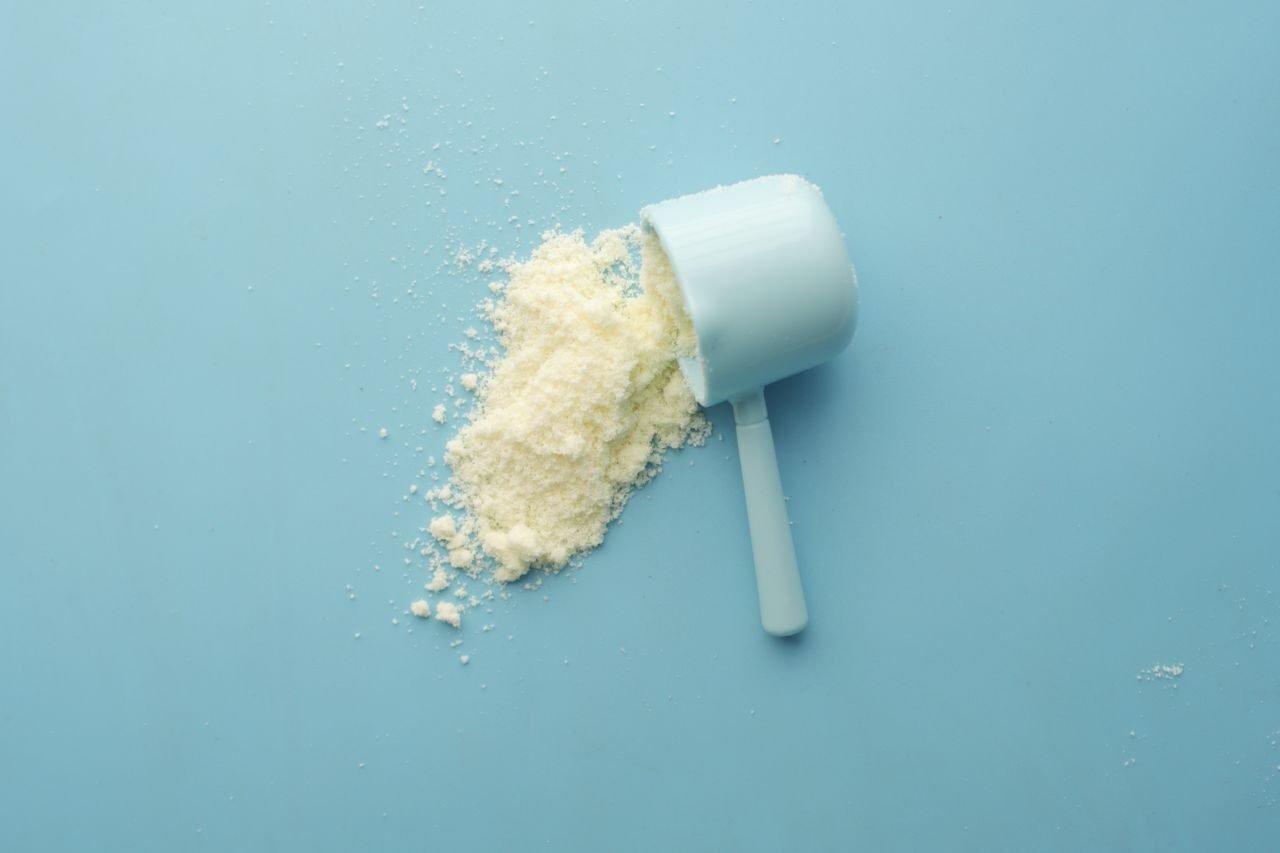
Whichever dosing approach you pick, the powder itself comes in more than one form these days — and the labels can get confusing.
Micronized Creatine vs. Regular — and Other Forms Like HCl
“Micronized” refers to a manufacturing step that breaks creatine particles down to a much smaller size — often in the 1-to-10-micron range, compared to roughly 60 to 70 microns for standard powder. Smaller particles mean more surface area, which is why micronized creatine tends to dissolve faster and leave less grit at the bottom of a shaker bottle.
What it doesn’t do is meaningfully change absorption. Standard creatine monohydrate already gets absorbed at close to 99% at typical doses, according to research summarized by Examine.com, so micronization is more of a mixability upgrade than an absorption breakthrough. A micronized product — like the one from California Gold Nutrition — is still plain creatine monohydrate underneath; the microniziation just helps it dissolve more easily, not deliver more of it.
As for other forms on the market — creatine HCl, ethyl ester, buffered (“Kre-Alkalyn”) versions — the NIH Office of Dietary Supplements states directly that these “have not been proven to have superior ability to creatine monohydrate for enhancing muscle creatine levels, digestibility, product stability, or safety.” A head-to-head trial of buffered creatine found no advantage over plain monohydrate in muscle creatine content or training results. Creatine monohydrate remains the most studied form by a wide margin, with decades of safety and efficacy data that newer forms simply haven’t accumulated yet.

Form and dosing aside, there are still a few situations where creatine deserves a more careful look.
Who Should Actually Be Careful With Creatine
If you already have kidney disease, this is the one group where the research genuinely doesn’t have a clear answer yet — both Mayo Clinic and the Nutrients review above recommend talking to your care team before using creatine if you have existing kidney issues, rather than assuming the healthy-population safety data applies the same way.
A few other groups worth a mention, per Cleveland Clinic: people managing diabetes, liver disease, or who are pregnant or breastfeeding, since safety evidence in those situations is limited. People with bipolar disorder should also check in with a doctor first, since there’s some concern creatine could increase the risk of mania. For adolescents, the evidence base is thinner than it is for adults — the FDA has classified creatine as generally recognized as safe, and small studies in pediatric patients haven’t turned up kidney, liver, or inflammation concerns, but researchers describe the evidence as “limited” rather than settled.
On medications: there’s no direct study testing whether creatine makes NSAIDs or other kidney-taxing drugs riskier, but given that the original 1998 case involved a nephrotoxic drug, it’s a reasonable thing to flag with a doctor if you’re on one long-term. Separately, one study in Parkinson’s patients found that combining creatine with more than 300 milligrams of caffeine a day was linked to faster disease progression — a specific finding in a specific population, not a general warning against coffee.
One more myth worth clearing up: creatine doesn’t seem to cause the dehydration or cramping it’s sometimes blamed for. A study of college football players training in hot, humid conditions found the creatine users actually had less cramping and heat-related illness than those who weren’t taking it.
None of this makes creatine risky for most healthy adults — it just means a few specific situations call for a conversation with a doctor first.
The Bottom Line
The fear that creatine damages your kidneys traces back to one case report from 1998, and that patient had a pre-existing kidney condition and years on a nephrotoxic drug — not exactly a clean test of creatine alone. Since then, roughly two dozen controlled studies in healthy people haven’t found evidence of kidney harm at standard doses. Loading is a shortcut, not a requirement — a flat daily dose gets you to the same place, just a few weeks later. And “micronized” is about how easily the powder dissolves, not some upgraded version of what creatine does in your body.
That 1998 case report is still floating around forums and gym-bro warnings today — but the data that came after it tells a much calmer story.
Sources
- Antonio, Candow, Forbes et al. — Common questions and misconceptions about creatine supplementation, Journal of the International Society of Sports Nutrition
- Longobardi et al. — Is It Time for a Requiem for Creatine Supplementation-Induced Kidney Failure?, Nutrients
- Hultman et al. — Muscle creatine loading in men, Journal of Applied Physiology (PubMed)
- NIH Office of Dietary Supplements — Dietary Supplements for Exercise and Athletic Performance
- Examine.com — Creatine
- Mayo Clinic — Creatine
- Cleveland Clinic — Creatine: What It Does, Benefits, Supplements & Safety