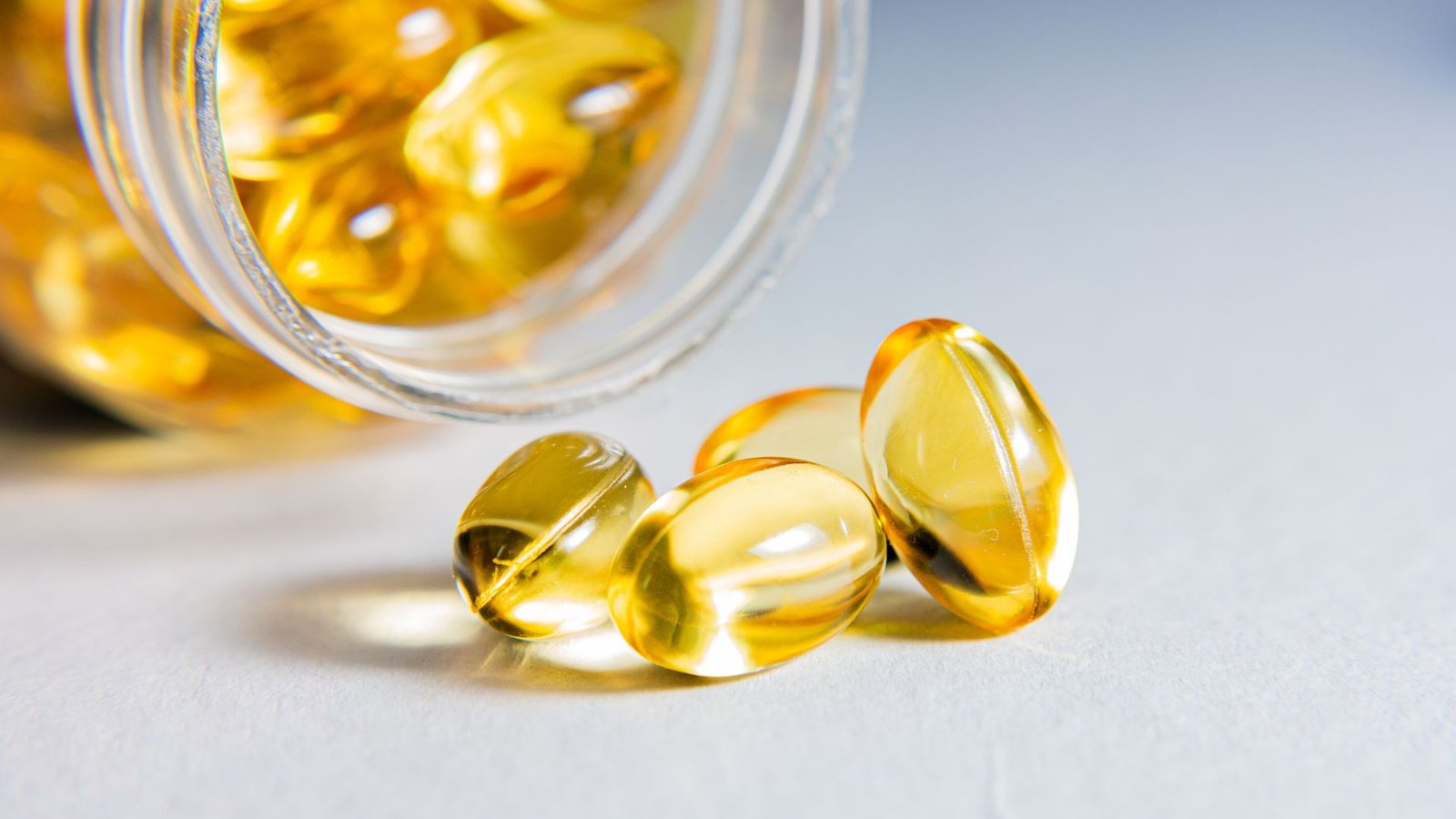
If your knees have started sounding like a bowl of Rice Krispies every time you stand up, you’re not imagining it — and you’re definitely not alone. Somewhere around your 40s, joints that used to move without a second thought start announcing themselves. The good news: there’s a real, well-studied reason this happens, and a few things that can genuinely help.
This post contains affiliate links. If you make a purchase through them, we may earn a small commission — at no extra cost to you.

What’s Actually Happening to Your Joints as You Age
Joint stiffness after 40 usually isn’t about “wear and tear” in the way we tend to picture it. As we get older, the fluid that lubricates our joints changes, and low-grade inflammation tends to build up gradually in the tissue around them. It’s less like a machine wearing out and more like a chemical balance shifting — one your body used to manage more efficiently in your 20s and 30s.

So if it’s not damage, what is it? Turns out, a lot of it comes down to inflammation — and how well your body is currently able to resolve it.
Can Omega-3s Really Help? Here’s What the Research Says
This is where omega-3 fatty acids — specifically EPA and DHA — come in. A 2025 systematic review and meta-analysis covering 41 randomized controlled trials and nearly 3,800 participants found that omega-3 supplementation produced a clinically meaningful, time-dependent reduction in chronic pain, particularly at moderate doses of 1 to 3 grams per day. Researchers note that biomarker changes often start showing up within 3 to 8 weeks, with peak symptom relief typically appearing after 3 to 6 months of consistent use.
Mechanistically, EPA and DHA compete with arachidonic acid in the body, which reduces inflammatory compounds like prostaglandin E2 and leukotriene B4. They also give rise to specialized molecules called resolvins and protectins, whose job is to help the body wind inflammation back down once it’s done what it needs to do.
One honest caveat: the research is more consistent for chronic pain broadly than it is for osteoarthritis specifically, where findings are still a bit mixed. So “may help support joint comfort” is a fair way to put it — not “will fix your knees.”
Not All Omega-3 Supplements Are Created Equal
Here’s something that doesn’t get talked about enough: the form of omega-3 in a supplement affects how much of it your body actually absorbs. Fish oil comes in a few different forms, and triglyceride (TG) form — the form fish oil naturally exists in — tends to be absorbed better than the more processed ethyl ester (EE) form, especially on an empty stomach. Some research puts EPA absorption from a fatty meal at around 90% for TG versus roughly 60% for EE.
The other thing worth checking before buying any fish oil: whether it’s been third-party tested. Fish naturally accumulate trace amounts of mercury and other heavy metals from the ocean, and while purification removes most of it, lab testing is really the only way to confirm what’s actually in the bottle. Independent testing checks for potency (does it contain what the label says), purity (heavy metals, contaminants), and freshness.
If you’re looking for a fish oil that checks these boxes — triglyceride form, wild-caught sourcing, and published third-party lab results — Sports Research’s Omega-3 Fish Oil is one option that fits the criteria, made from wild Alaska pollock.

Simple Habits That Support Joint Health Beyond Supplements
This article is for informational purposes only and is not medical advice. Talk to your doctor before starting any new supplement, especially if you’re on blood thinners or manage an existing health condition.
Once you’ve got the right kind of omega-3, the next question is how to actually build it into your routine. A few things make a real difference:
Take it with a meal that has some fat in it. Eggs, avocado, or a bit of olive oil noticeably improve absorption compared to taking it on an empty stomach — which is also where a triglyceride-form fish oil has a natural edge, since it’s absorbed more efficiently to begin with.

Give it time and stay consistent. Blood levels build up gradually, so daily use over weeks — not days — is what actually moves the needle.
Don’t skip movement. Gentle, regular movement — walking, stretching, mobility work — keeps joints lubricated in a way no supplement replaces.
The Bottom Line
Joint stiffness after 40 isn’t a sign that something’s broken — it’s usually just your body’s inflammation-management system needing a bit more support than it used to. The research on omega-3s isn’t a miracle cure, but a well-absorbed, well-tested source taken consistently, alongside movement and time, has real evidence behind it. So next time your knees pop like cereal on a Monday morning, at least you’ll know what’s going on — and what might actually help.