NAD+ is the ingredient getting all the attention on Korean skincare labels right now. But according to a 2026 dermatology review, the clinical evidence for putting it on your skin is still considered “investigational” — while a much older, less trendy ingredient in the same bottle already has a real placebo-controlled trial behind it. So which one is actually doing the work?
This post contains affiliate links. If you make a purchase through them, we may earn a small commission — at no extra cost to you.
This article is for informational purposes only and is not medical advice. Talk to your doctor or dermatologist before starting any new skincare product, especially if you have sensitive skin or a skin condition.
Why Wrinkles Show Up Where They Do (and Why One Cream Rarely Fixes Them)
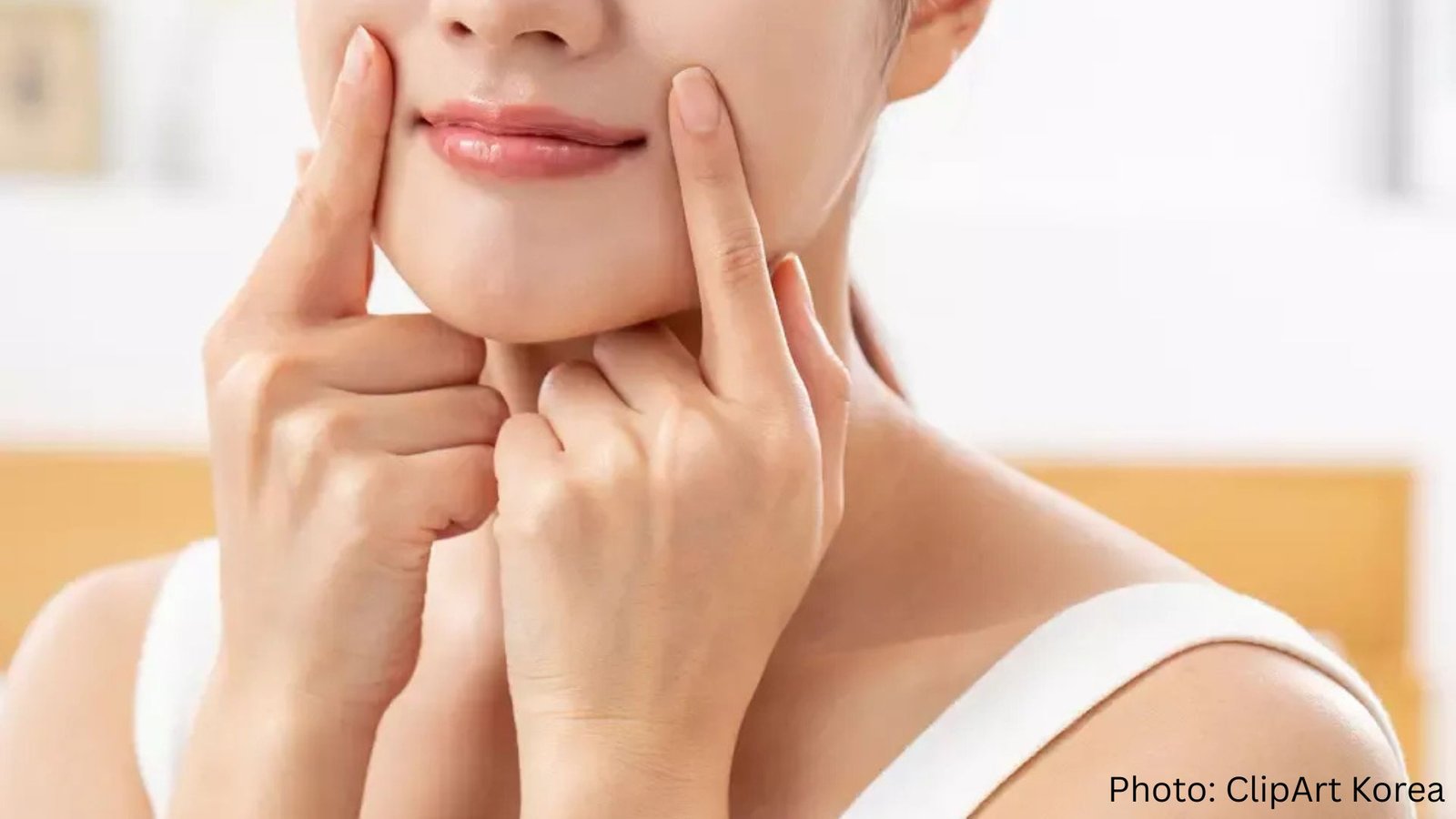
Before getting into any single ingredient, it helps to understand why wrinkles form in the first place — and why no cream, on its own, fully solves that. A South Korean plastic surgeon interviewed by Chosun Ilbo’s health desk explained that wrinkles form from a combination of UV exposure, lifestyle habits, repeated facial expressions, and a natural decline in skin elasticity — not from any single cause. The forehead, the folds running from the nose to the corners of the mouth, and the neck tend to show it first, since those areas move the most or get the least sun protection.
That’s also why the advice for preventing wrinkles is fairly unglamorous: daily sunscreen, consistent moisturizing, and cutting back on repetitive expressions like frowning or raising your eyebrows do more heavy lifting than any single serum. None of that makes a good moisturizer pointless — it just means the ingredient list matters more than the marketing on the front of the jar.
▶ Watch Related Video (YouTube)
That’s the backdrop. But when it comes to what’s actually inside the jar, one ingredient name has been getting most of the attention lately: NAD+.

What the Research Actually Says About Topical NAD+
NAD+ (nicotinamide adenine dinucleotide) is a molecule your cells use constantly for energy production and repair, and levels of it do decline with age. That part is well established. What’s much less settled is whether smearing NAD+ itself on your skin actually raises those levels where it counts.
A 2026 review in the dermatology journal CosmoDerma found that most claims about NAD+ precursors and cosmetic rejuvenation are extrapolated from pre-clinical or systemic studies rather than dermatology-specific clinical trials, and concluded these interventions should currently be considered investigational rather than established treatments. In the same review’s evidence table, topical niacinamide formulations earned a “moderate to high” rating — but topical NAD+ itself didn’t even get its own line in the table, because there isn’t enough dedicated research to rate it separately yet.
The most-cited lab study on topical NAD+ backs this up. A 2024 study in the journal Cells found that NAD+ protected human skin cells against UV-induced and age-related damage — but the experiment was done on cells grown in a dish, not on actual human skin, and the researchers themselves noted that further clinical studies on NAD+’s effects on skin are still needed. There’s also a practical hurdle: NAD+ is a relatively large, charged molecule, which makes it harder to get through the outermost layer of skin than smaller, more stable ingredients.
So if pure NAD+ itself isn’t there yet, what about the ingredients your skin actually uses to make more of it?

Niacinamide and Adenosine: The Less Trendy Ingredients With More Evidence
Niacinamide is a precursor your body converts into NAD+, and it’s small and stable enough to actually get into the skin. A 2021 review in Antioxidants found that topical niacinamide restores cellular NAD+ levels, calms oxidative stress and inflammation, strengthens the skin barrier, and reduced visible skin aging and pigmentation in clinical trials — while being well tolerated by skin. It’s not flashy, but it’s one of the more consistently studied ingredients in skincare.
Adenosine has a smaller fan base but a genuinely solid trial behind it. A randomized, placebo-controlled trial of 126 women between 45 and 65 found that adenosine-containing cream significantly smoothed skin texture around the eyes after just three weeks, compared to placebo. It’s also widely used in Korean skincare formulations specifically for wrinkle improvement.
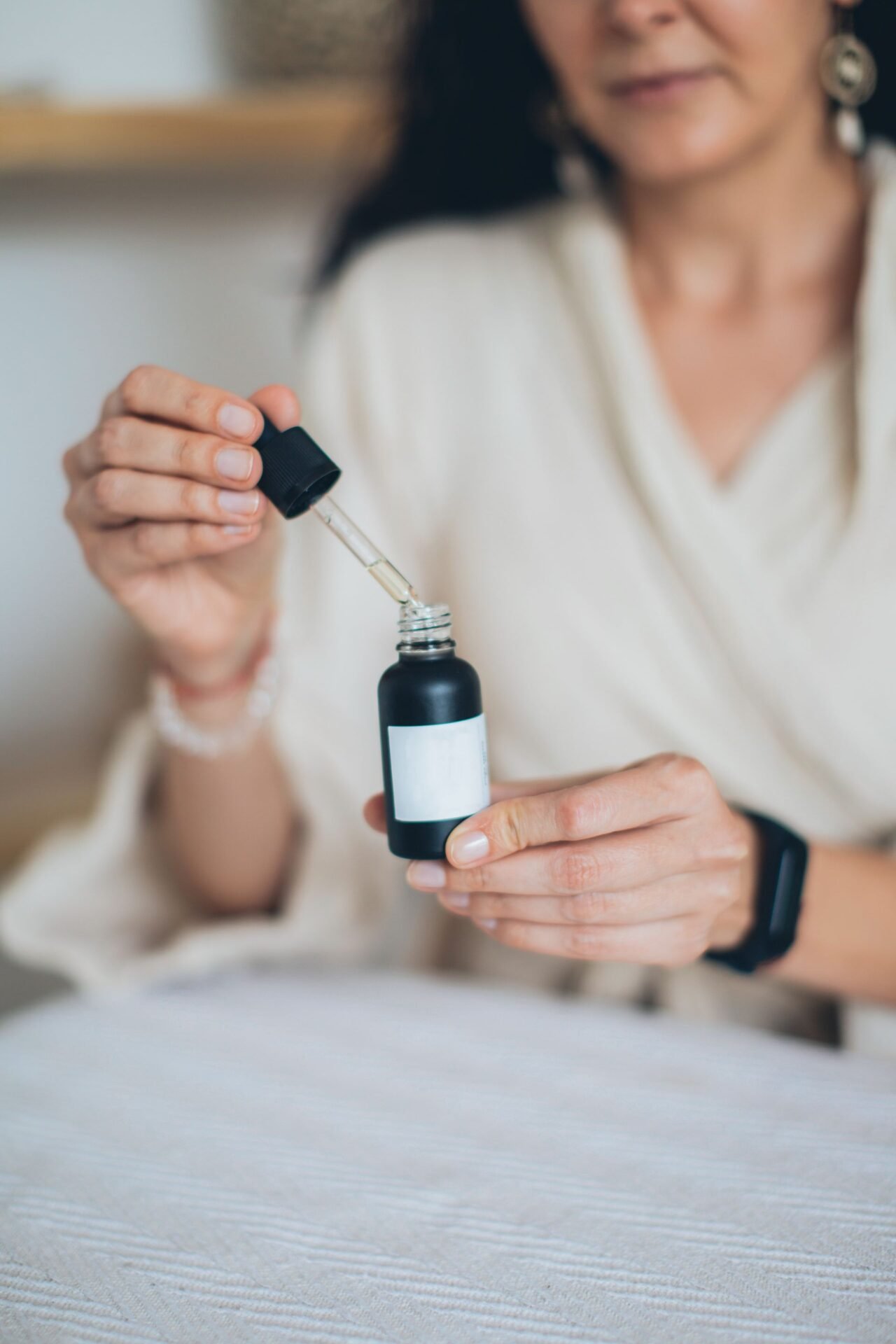
JIYU’s NAD+ Hydrating Face Moisturizer, despite the name on the label, actually contains both of these ingredients alongside its namesake NAD+. That’s worth knowing if you’re the kind of person who reads a label and wonders which part of it is actually backed by research — in this case, it’s not necessarily the ingredient in the product name.
None of this means NAD+ is a scam, though. It just means the label’s headline ingredient isn’t always the one doing the most work.
What to Actually Look for on a Wrinkle Cream Label
Given all that, the more useful habit isn’t chasing whatever ingredient name is trending — it’s flipping the product over and reading the full ingredient list. Names like niacinamide and adenosine are worth recognizing, since both have real trial data behind them for skin texture and barrier function, even though neither one makes for as exciting a headline as “NAD+.”
A product that lists niacinamide and adenosine alongside NAD+, like the JIYU NAD+ Hydrating Face Moisturizer, isn’t a bad choice on that basis — it just shouldn’t be chosen for the reason it’s marketed. And none of it replaces the more boring basics: daily sunscreen and consistent moisturizing still do more for wrinkle prevention than any single ingredient on its own.
The Bottom Line
NAD+ makes for a compelling name on a skincare label, but the clinical evidence for applying it topically is still considered investigational — it doesn’t yet have the kind of dedicated human trial data that would put it in the same category as more established ingredients. Niacinamide, its far less glamorous precursor, already has moderate-to-high-rated evidence for skin barrier repair. Adenosine has its own placebo-controlled trial showing improvement in fine lines around the eyes. And underneath all of it, the basics from any dermatologist’s playbook — sunscreen, consistent moisturizing, and cutting back on the expressions that create mechanical stress — still matter more than any single jar.
Next time a label leads with a trendy ingredient name, it’s worth turning it over and reading the smaller print first.
Sources
- 헬스조선(Chosun Ilbo Health), “나이 드러나는 팔자주름 막으려면, ‘이 성분’ 함유된 화장품 써라” (2026.8.19)
- De A, Singh A, Ahmed SS. “The emerging potential of nicotinamide adenine dinucleotide (NAD+) precursors in dermatological health and anti-aging: Elixir of life?” CosmoDerma. 2026;6:49.
- Kang S, et al. “Novel Approach to Skin Anti-Aging: Boosting Pharmacological Effects of Exogenous NAD+ by Synergistic Inhibition of CD38 Expression.” Cells. 2024;13(21):1799.
- Boo YC. “Mechanistic Basis and Clinical Evidence for the Applications of Nicotinamide (Niacinamide) to Control Skin Aging and Pigmentation.” Antioxidants. 2021;10(8):1315.
- Abella ML. “Evaluation of anti-wrinkle efficacy of adenosine-containing products using the FOITS technique.” Int J Cosmet Sci. 2006;28(6):447-451.